
News Releases
291 Leaders Graduate from the Goh Keng Swee Command and Staff College, Including First Cohort from New Medical Programme
23 October 2026
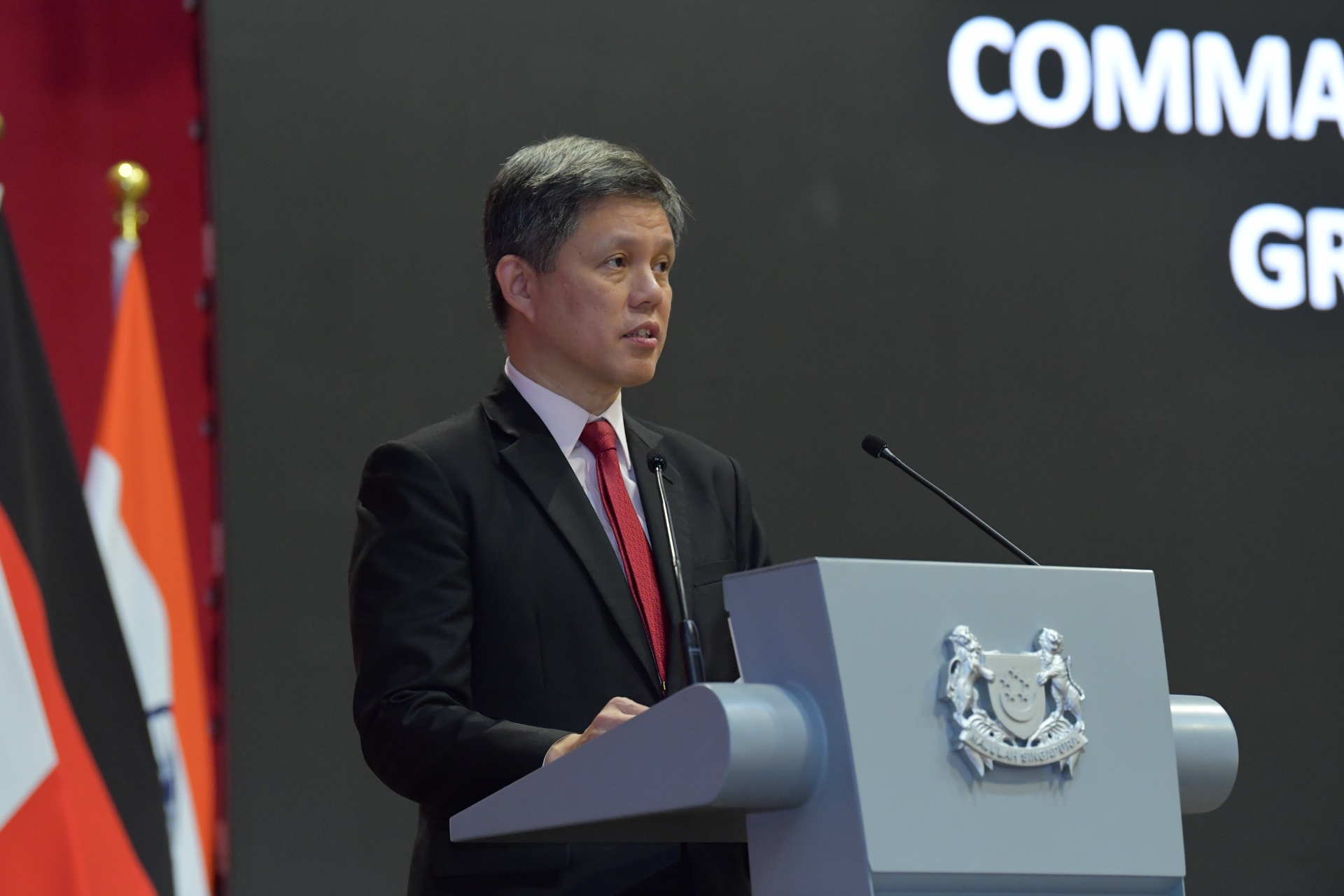
Minister for Defence Chan Chun Sing officiated at the Goh Keng Swee Command and Staff College (GKS CSC) Command and Staff Course (CSC) 2026 Graduation Ceremony, held at the SAFTI Military Institute last evening.
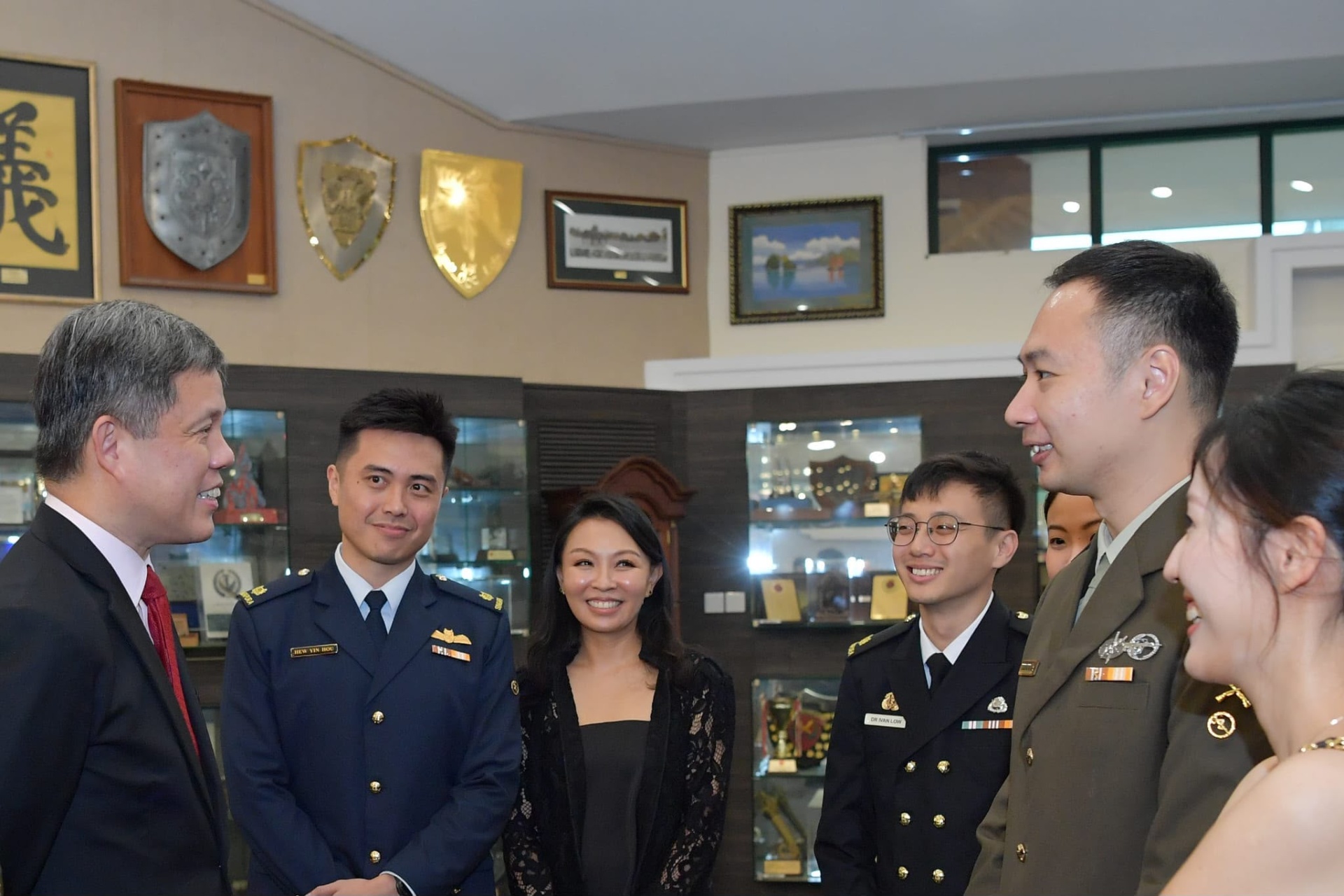
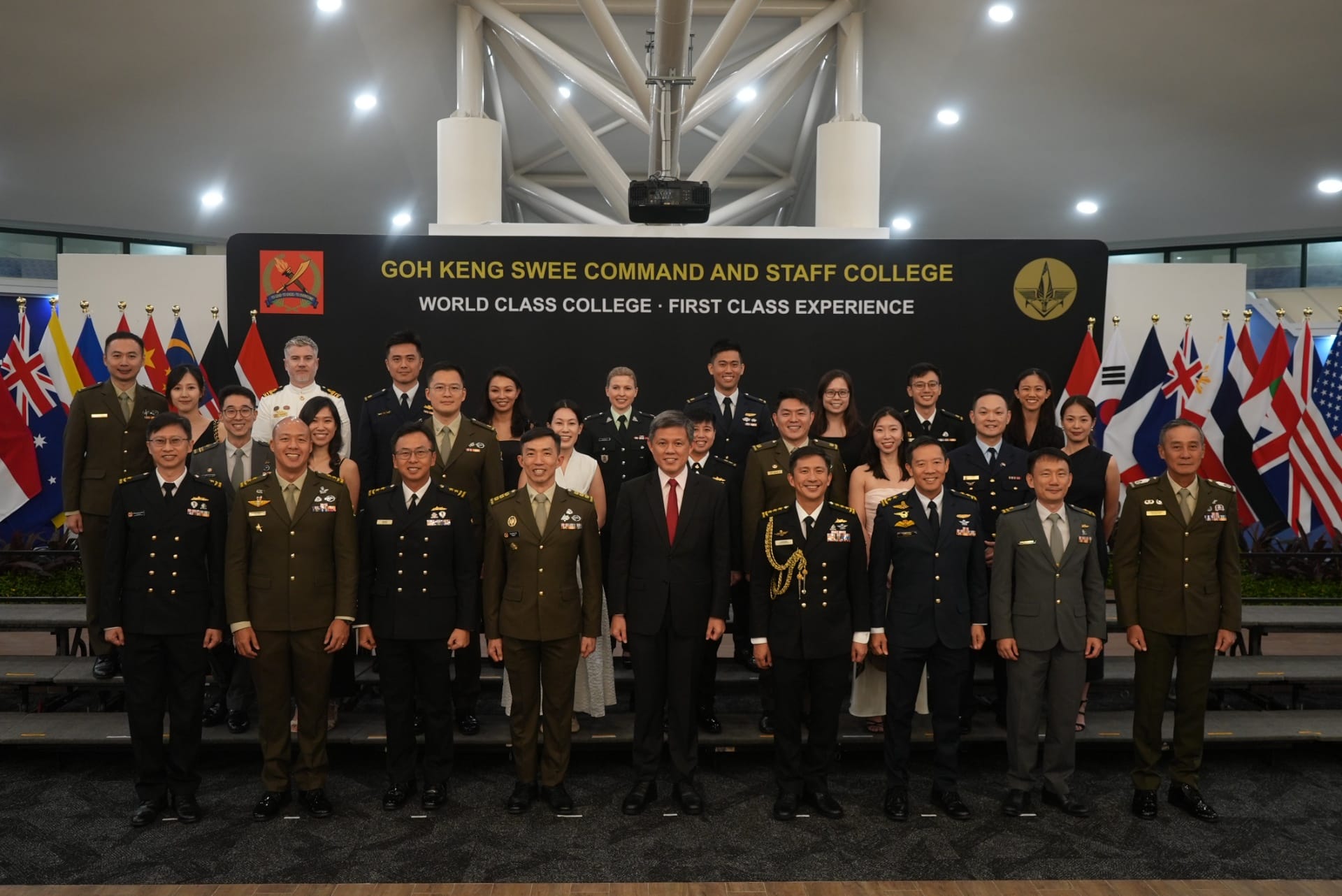
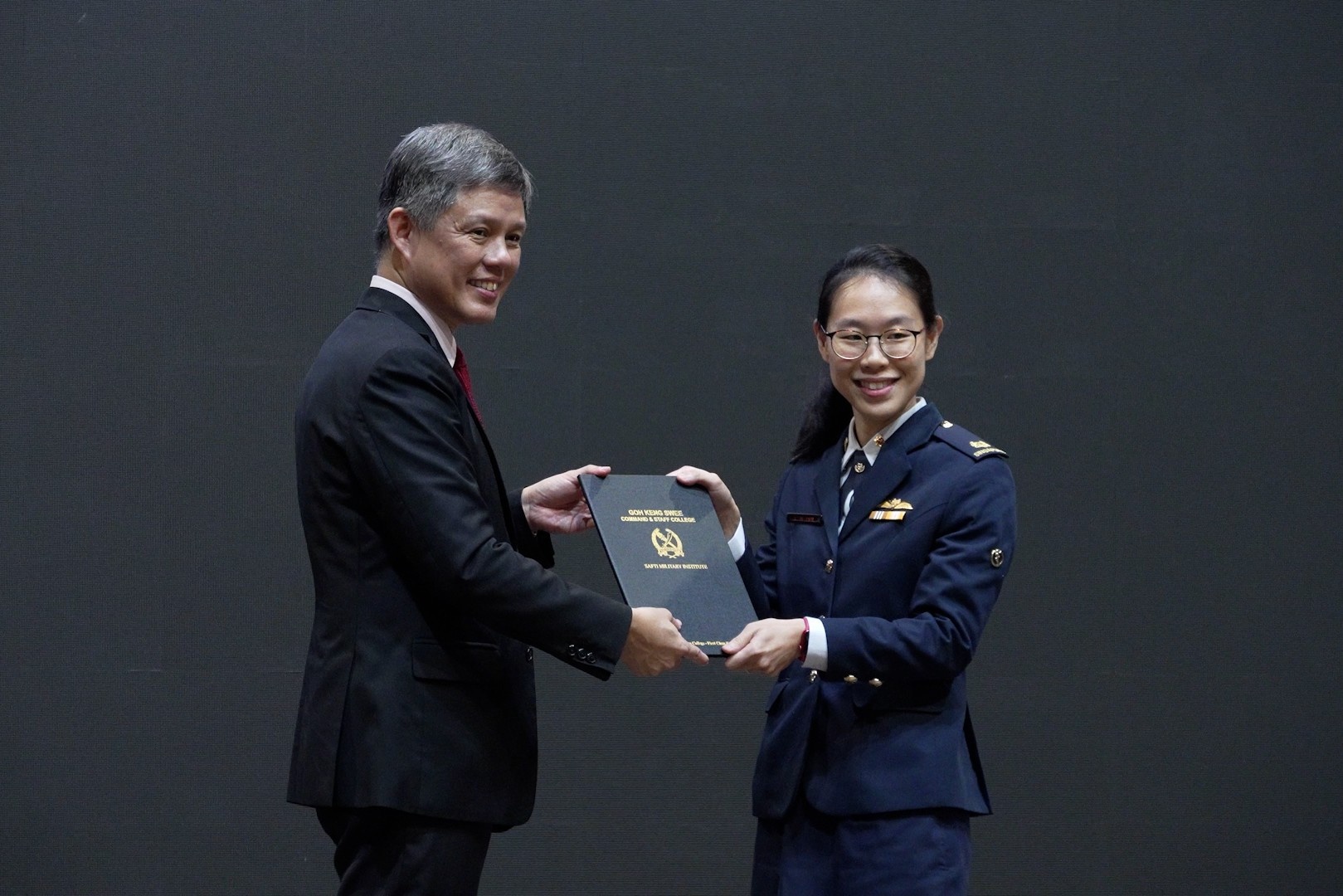
Minister for Defence Chan Chun Sing officiated at the Goh Keng Swee Command and Staff College (GKS CSC) Command and Staff Course (CSC) 2026 Graduation Ceremony, held at the SAFTI Military Institute last evening. This ceremony marked the completion of the 57th CSC, 27th CSC (National Service), the 26th and 27th CSC (Executive), as well as the 1st CSC (Medical). The CSC (Medical) was introduced this year in line with the SAF’s continued commitment to develop capable and effective leaders through structured professional military education and training.
The inaugural CSC (Medical) programme enables SAF Medical and Dental Officers to undergo leadership development and professional military education while fulfilling their clinical specialisation requirements. Jointly conducted by the SAF Medical Training Institute and GKS CSC, the 11-week programme allows Medical and Dental Officers to further their professional development in their respective clinical fields, while providing opportunities to learn alongside the wider CSC cohort through command-and-staff modules, various study visits, dialogues and exercises.
A total of 291 leaders graduated from the GKS CSC, comprising 158 regular officers, 47 National Service (NS) officers, 52 military experts and 6 warrant officers from the Singapore Armed Forces (SAF), and 28 international officers from 17 countries. The CSC, CSC (NS), CSC (Executive) and CSC (Medical) prepare officers for senior command and staff appointments in the SAF and are the highest level of formal military education offered in Singapore for Regular, NS and International Officers.
Minister Chan highlighted how longstanding assumptions about the international rules-based order and global stability are being challenged by a shifting security landscape. Minister Chan said, “For decades, many countries operated on the assumption that international rules, institutions, and interdependence would gradually reduce the likelihood of conflict. While that aspiration remains worth pursuing, recent developments remind us that history does not always move in a straight line. Today, we see less restraint in the use of force, less faith in rules, and less trust in institutions… Over time, this erosion of trust makes the world less prosperous, less stable, and less secure.”
Minister Chan also highlighted that the officers would inherit a more contested, connected, and uncertain world compared to the one that shaped previous generations. He said, “Yet every generation of leaders faces their own defining challenges. Yours will be to navigate change without losing sight of enduring principles; to embrace innovation without abandoning judgement; and to strengthen security while continuing to build trust wherever possible.”
Speaking on the responsibilities of leaders, Minister Chan urged the graduands to question existing assumptions, pursue innovation and build enduring teams as they take on greater responsibilities following graduation. Minister Chan said, “The strongest leaders develop others. They bring out the best in the men and women who serve. They create cultures of trust, learning, and shared purpose. They build institutions that become stronger with each generation.”
More Resources