
News Releases
Singapore and German Armies Commemorate 10th Anniversary of Bilateral Training in Oberlausitz, Germany
20 March 2026
Exercise Panzer Strike is an armour training and live-firing exercise conducted by the Singapore Armed Forces (SAF) annually over two separate training frames in the Oberlausitz Military Training Area (OMTA), Germany.
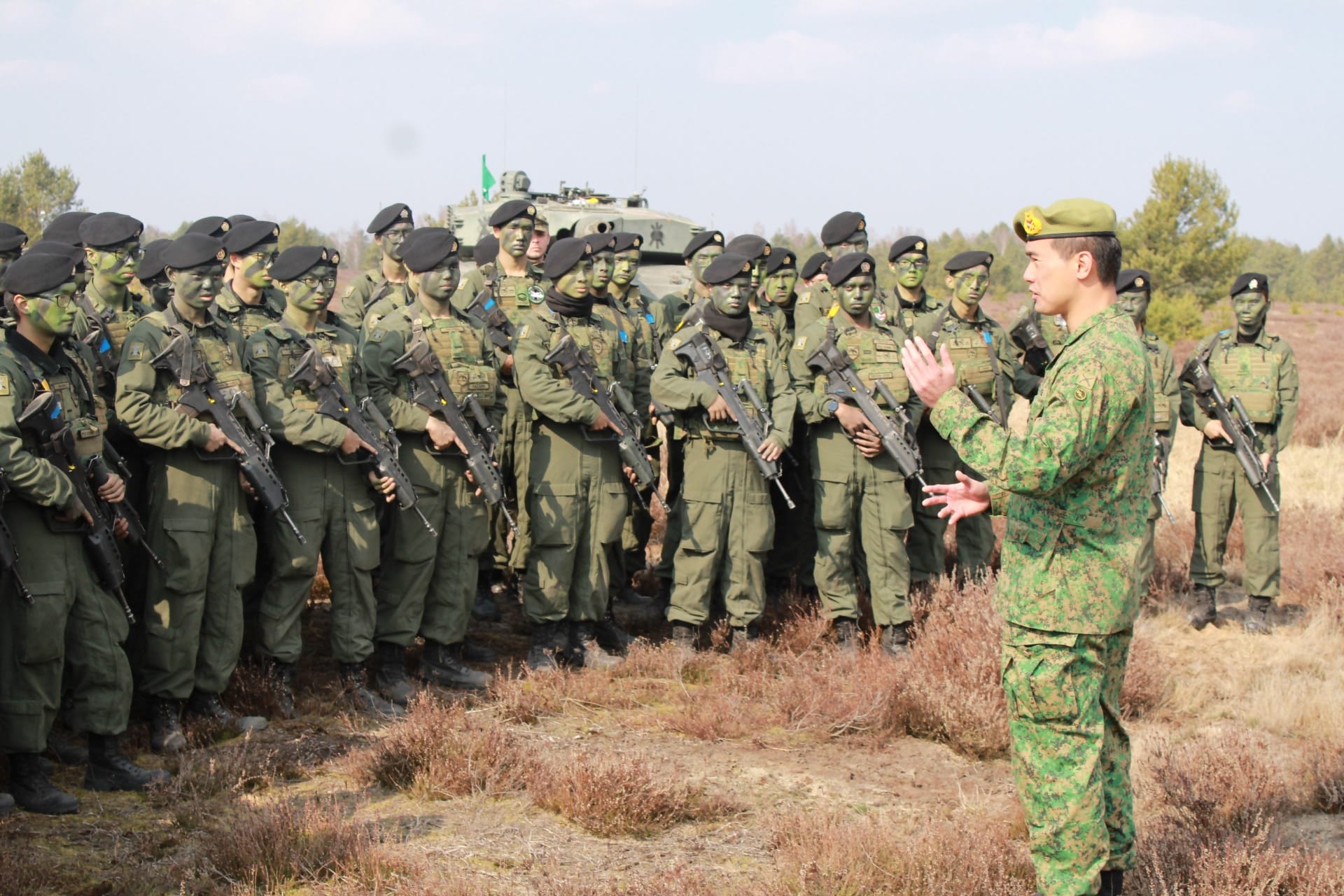
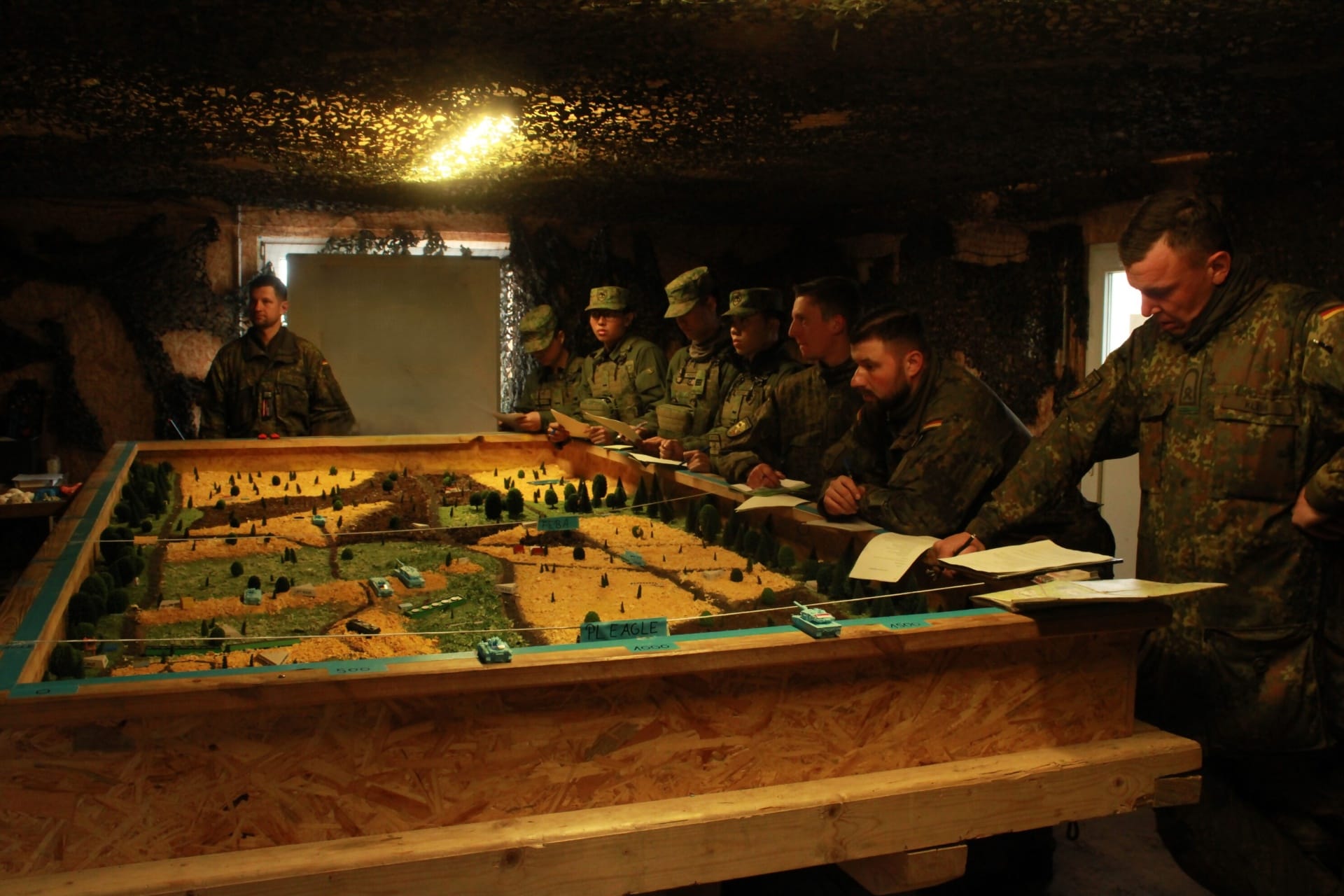
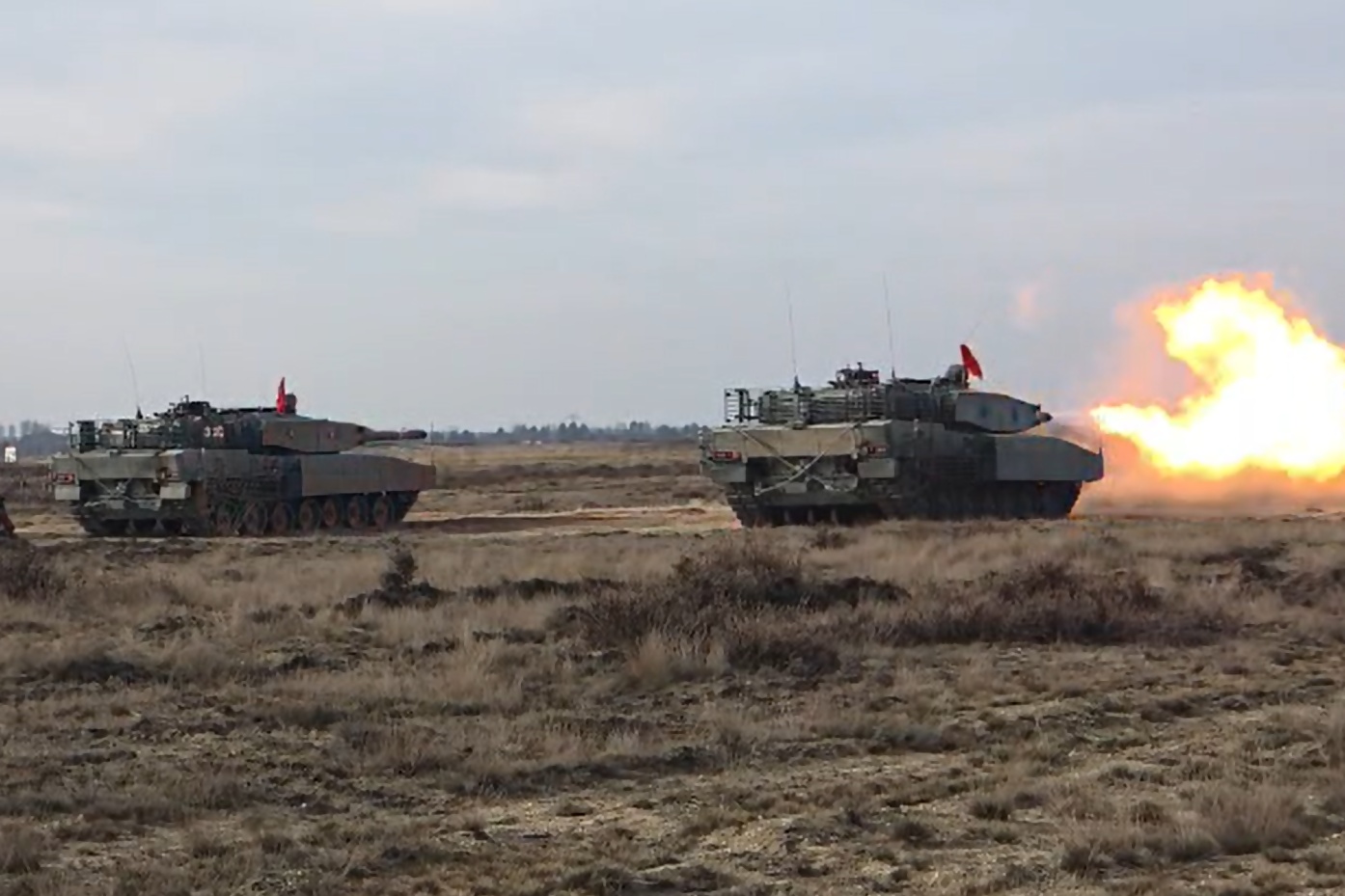
Exercise Panzer Strike is an armour training and live-firing exercise conducted by the Singapore Armed Forces (SAF) annually over two separate training frames in the Oberlausitz Military Training Area (OMTA), Germany. This year marks both the 17th edition of the exercise, which was first conducted in 2009 and the 10th anniversary of the SAF training in OMTA.
During the spring training frame from 28 February to 19 March 2026, the SAF successfully conducted a bilateral live-firing exercise with the Bundeswehr (German Armed Forces). This exercise involved approximately 80 personnel from the 48th Battalion Singapore Armoured Regiment (48 SAR), and over 130 personnel from Panzergrenadierbataillon 391. SAF personnel conducted live-firing training using the Leopard 2SG Main Battle Tanks (MBTs) and the Hunter Armoured Fighting Vehicles (AFVs) to hone their skills in manoeuvre and gunnery. The bilateral exercise also included professional exchanges between the Singapore Army and the German Armed Forces.
At the anniversary reception, graced by Dr Stephan Meyer, District Administrator of Görlitz, the Singapore Army’s Chief of Staff, General Staff (COS-GS), Brigadier-General (BG) Wong Shi Ming said, “Training overseas enables us to overcome constraints due to Singapore’s limited land and airspace. The Singapore Army is grateful to Germany for its strong support in enabling our training and strengthening our professional capabilities. The German Army is an important defence partner, and we are glad that over the years, our bilateral cooperation has continued to grow from strength to strength.”
The large training space in OMTA, a quarter of the size of Singapore, allows the Singapore Army to execute more complex missions on a larger scale. Training can be conducted more efficiently with concurrent live-firing of up to four ranges for our armoured units. The opportunity to train in Germany has strengthened the professionalism and capabilities of our armour forces, and reinforced ties between both armies. The two countries interact regularly through high-level visits and dialogues, military exchanges, cross-attendance of professional courses and technological collaboration.