
News Releases
National Cyber Defence Exercise Strengthens Cyber Defenders’ Understanding of Large-Scale AI-Enabled Threats and Cyber Defence Capabilities
19 November 2026
With the prevalence of AI and increased accessibility to its capabilities, it is critical for cyber defenders to understand the AI-enabled cyber threats that they may face, and how they can leverage AI for cyber defence.
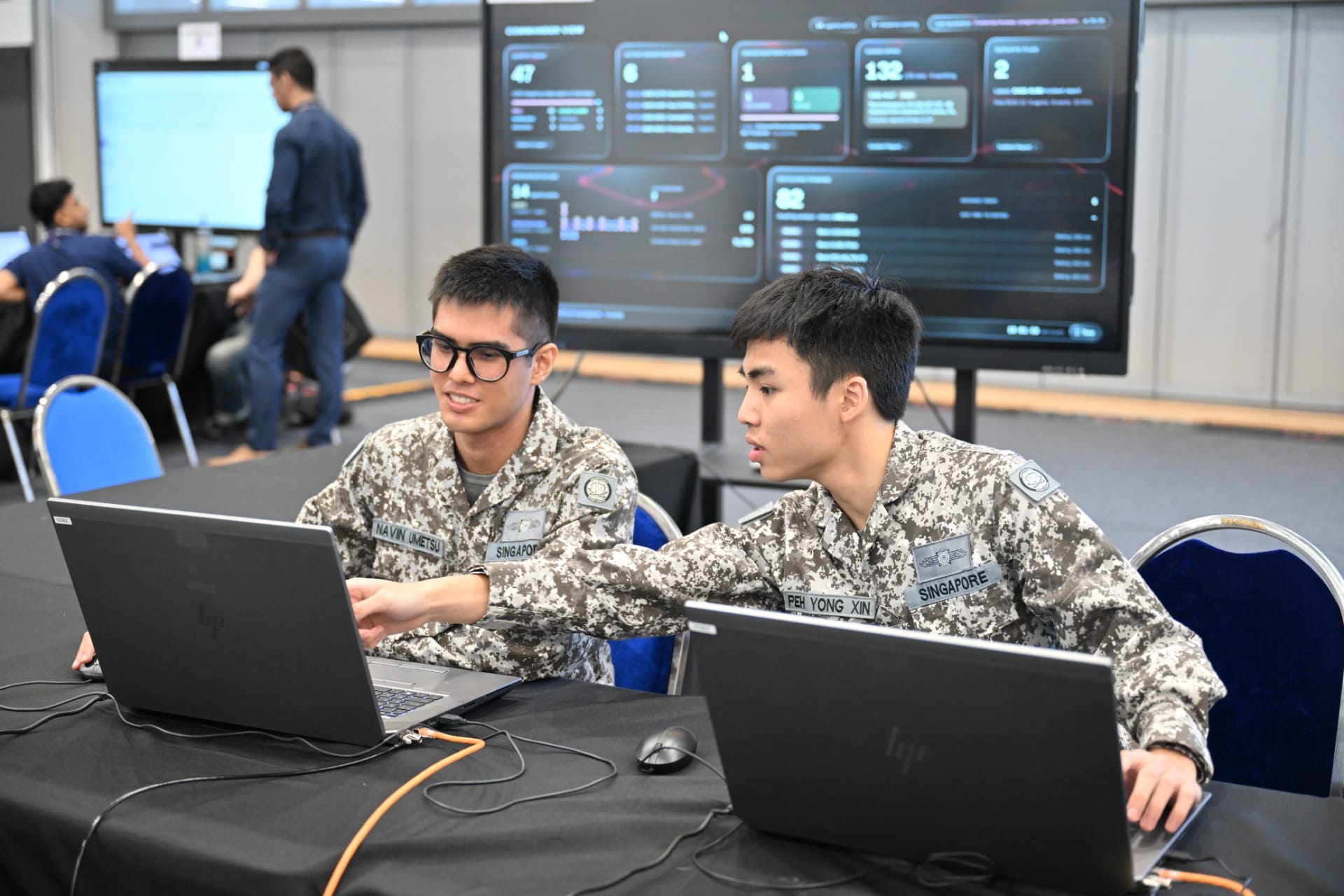
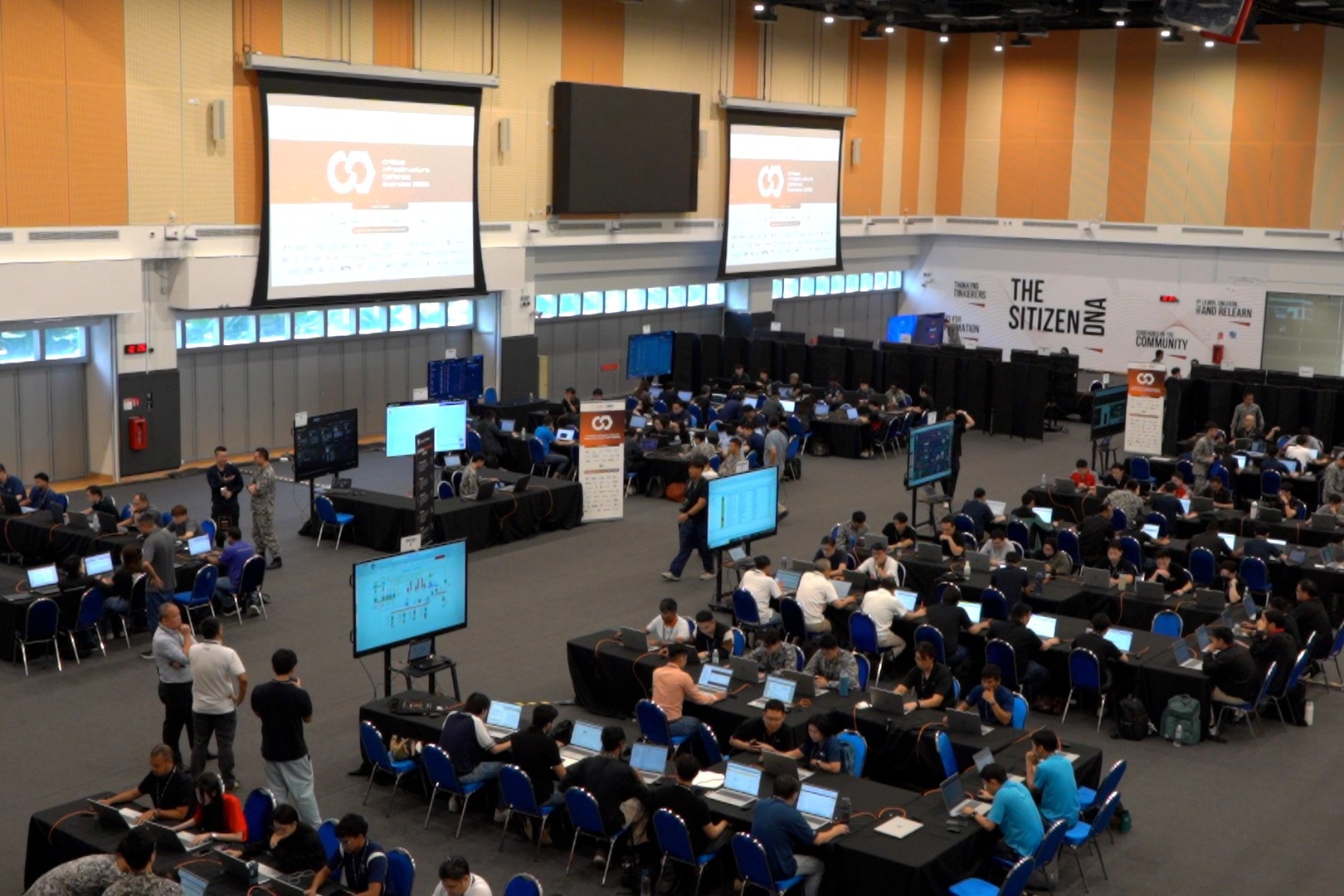
With the prevalence of AI and increased accessibility to its capabilities, it is critical for cyber defenders to understand the AI-enabled cyber threats that they may face, and how they can leverage AI for cyber defence. For the first time, the Critical Infrastructure Defence Exercise (CIDeX) exercise, now in its fifth year, featured a coordinated “swarm” of AI agents attempting to disrupt the testbeds concurrently at rapid speed, simulating a large-scale AI-enabled cyberattack to enhance participants’ understanding of the speed and scale of such attacks. Participants were also provided with AI-enabled tools to gain familiarity with AI cyber defence technologies.
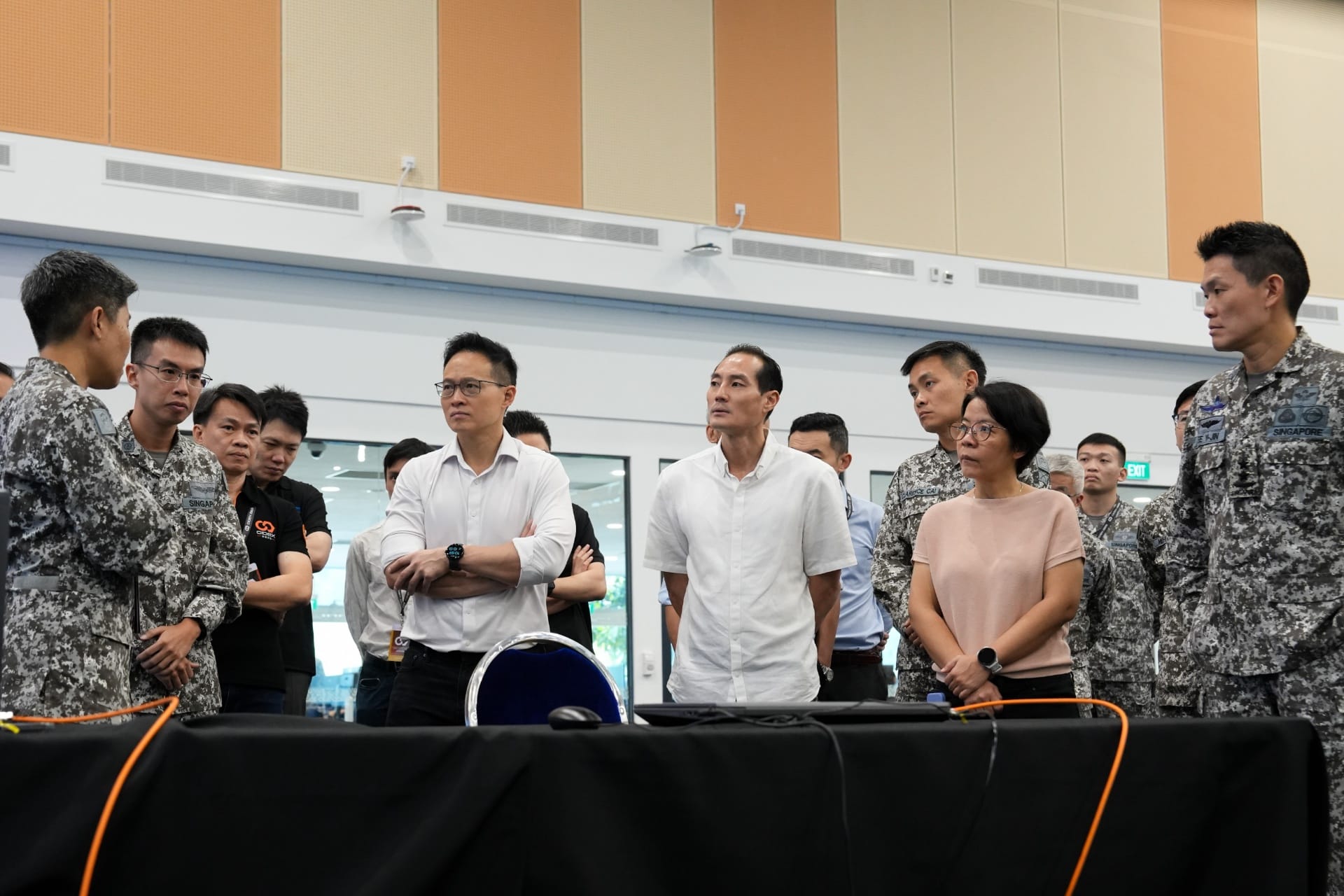
Co-organised by the Digital and Intelligence Service (DIS) and the Cyber Security Agency of Singapore (CSA), CIDeX is being held from 17 to 20 November at the Singapore Institute of Technology. Minister of State for Defence Desmond Choo and Senior Minister of State for Digital Development and Information Tan Kiat How visited the exercise site today. During the visit, they were briefed on how CIDeX strengthens inter-agency collaboration to detect and deal with cyber security threats. They also observed a demonstration of AI-enabled tools developed in-house by the Singapore Armed Forces’ Cyber Defence Test and Experimentation Centre (CyTEC).
CIDeX is focused on strengthening the capabilities of 11 Critical Information Infrastructure (CII) sectors[1] to detect and deal with cyber threats to Information Technology (IT) and Operational Technology (OT)[2] networks controlling Critical Information Infrastructure (CII) systems. The exercise is supported by iTrust[3] Singapore University of Technology and Design (SUTD) and the National Cybersecurity Research & Development Laboratory.
CIDeX 2026 involves over 250 participants from the DIS, CSA and 44 other organisations, building on the participation at CIDeX 2025. Of note, this is the first time Operationally Ready National Servicemen (NSmen) from the DIS Sectoral Cyber Defence Teams (SCDTs) are participating in CIDeX. The NSmen lead the Blue Teams to enhance the SAF’s interoperability with each CII sector. During the exercise, the Blue Teams defend their respective digital infrastructure against live simulated cyber-attacks launched by a composite exercise planning and control team made up of CSA, DIS, Defence Science and Technology Agency (DSTA), GovTech, IMDA, and LTA personnel. This year’s exercise also sees an expanded digital infrastructure with the introduction of new aviation and healthcare testbeds along with an enhanced multi-cloud testbed.[4]
The DIS is also trialling a fully agentic AI Blue Team that aims to respond at machine speed and scale against the same exercise threats. These tools were developed in-house by the DIS’s CyTEC, supported by industry partners and in consultation with members of the DIS Technology Advisory Panel.
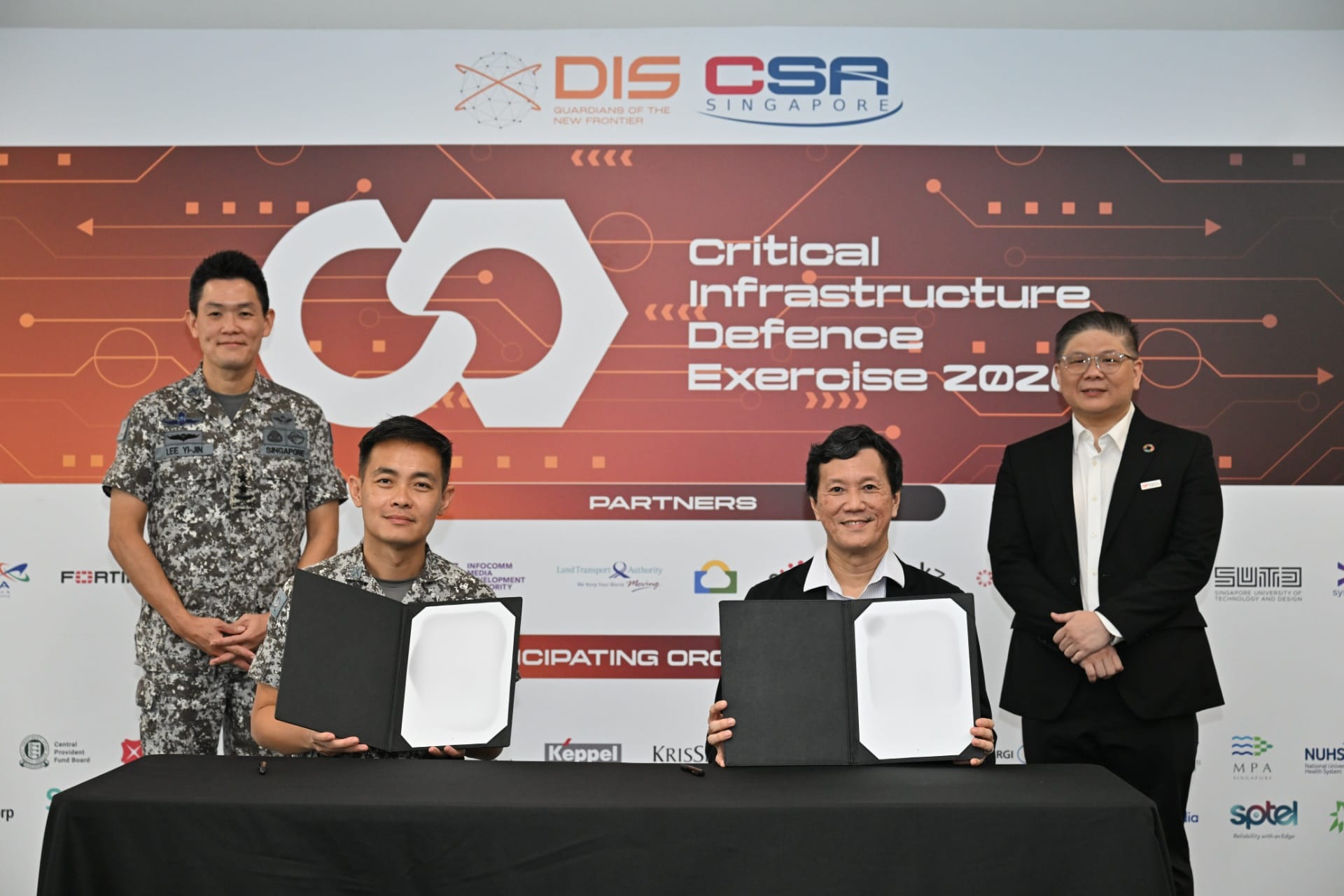
Global technology companies such as Amazon Web Services, Check Point Software Technologies, Google Cloud, Splunk (a CISCO company) and Wiz supported the exercise preparations. These partners provided input to enhance exercise realism and contributed tools and training, to develop and hone participants’ cyber defence competencies. On the sidelines of CIDeX 2026, the Defence Cyber Command signed Memoranda of Understanding with Checkpoint, SentinelOne, and Singapore Polytechnic to expand its tech and academic partnerships. The DIS also conducted a Youth Engagement Programme, where students visited CIDeX 2026 to better understand the importance of cyber defence and the roles of cyber defenders.
Commander Defence Cyber Command/Defence Cyber Chief Brigadier General Clarence Cai said, “AI has transformed cyber defence, and it is important for us to strengthen our national cyber defenders’ understanding of the most current AI-enabled threats, as well as equip them with the knowledge of how to deploy AI tools to overcome these new challenges. At this year’s CIDeX, we trialled a fully agentic Blue Team for the first time because we think that this is going to become the fundamental new reality of cybersecurity. The SAF will continue to work with CII organisations and industry partners to develop cyber-AI experimentation and operational capabilities for Singapore’s cyber defence.”
CIDeX 2026 provides participants with the opportunity to sharpen their instincts and technical competencies and share expertise and perspectives across organisations. Deputy Chief Executive (National Cyber Resilience) Justiin Ang of the CSA said, “Behind every resilient system are skilled and well-prepared defenders. Exercises like CIDeX are how we work with our partners to stay ahead of the threat curve — by stress-testing our defences, building interoperability, and ensuring our defenders are prepared for the threats of today and tomorrow. CSA will continue to invest in exercises, partnerships, and capabilities that empower our defenders and strengthen the security of Singapore's critical infrastructure for the long term."
[1] The 11 Critical Information Infrastructure (CII) sectors in Singapore are sectors responsible for the continuous delivery of essential services which Singapore relies on. The 11 CII sectors are: (1) Government, (2) Infocomm, (3) Energy, (4) Aviation, (5) Maritime, (6) Land Transport, (7) Healthcare, (8) Banking & Finance, (9) Water, (10) Security and Emergency, and (11) Media.
[2] OT refers to hardware and software that monitor and control devices and infrastructure. These include Industrial Control Systems (ICS), Supervisory Control and Data Acquisition (SCADA) systems, safety instrumented systems, and Programmable Logic Controllers (PLCs).
[3] iTrust is a multidisciplinary research centre located at the Singapore University of Technology and Design (SUTD) that was jointly established by SUTD and the Ministry of Defence (MINDEF) in 2012.
[4] The other testbeds are Maritime, Energy, Telco, Land and Water.